Cold Press vs Hot Press: Which is Right for Your Oil Mill?
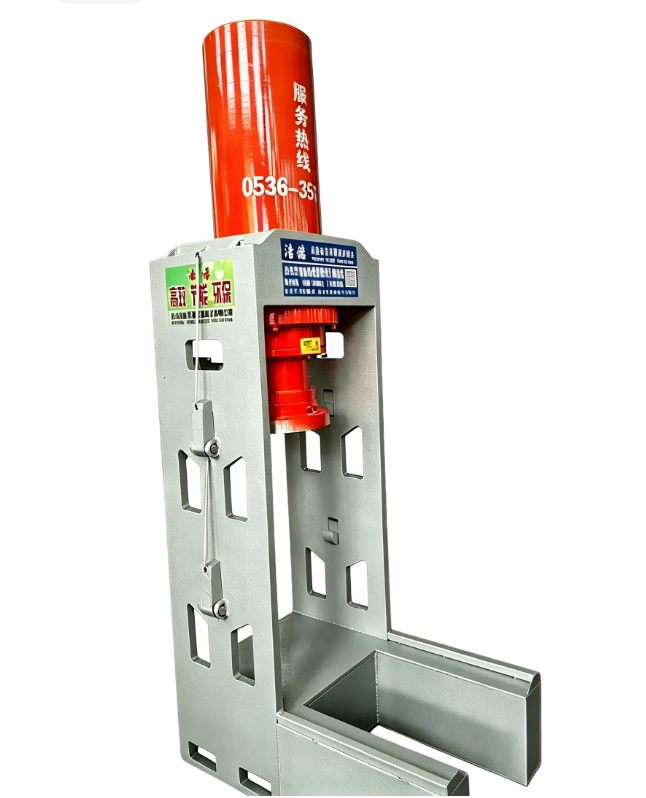
When buyers ask us which pressing method they should use, the honest answer is: it depends on what you are pressing and what oil you want to sell. Both cold and hot pressing have their place, and many mills run both.
Cold pressing means the seed goes into the press without pre-heating. The oil temperature stays low, usually below 60°C. This preserves more of the natural nutrients, antioxidants and subtle flavors. Cold-pressed oils like walnut, camellia and flaxseed command a premium price in the health-food market. The trade-off is lower oil yield — typically 5-10% less than hot pressing — because oil flows more easily when warm.
Hot pressing starts with roasting the seeds in a wok or drum roaster. Roasting breaks down cell walls, reduces moisture and brings out the aroma. The oil yield is higher, and the oil has a stronger, nuttier flavor that many consumers prefer for cooking. Sesame oil and peanut oil are almost always hot pressed for this reason. The downside is that some heat-sensitive nutrients are lost.
Our advice: if you target the premium edible-oil market (walnut, almond, camellia), go cold press. If you aim for high yield and strong flavor (sesame, peanut, rapeseed), go hot press. All our hydraulic presses support both — you only add or skip the roasting step.
Ready to press your own material?
Send us a sample or tell us your material and output target. We will recommend the right machine and send a test video if possible.
Contact Us