Malaysia Food Factory Presses Oil from KFC Noodle Residue — How a 325 Hydraulic Press Turns Batter Waste into Revenue
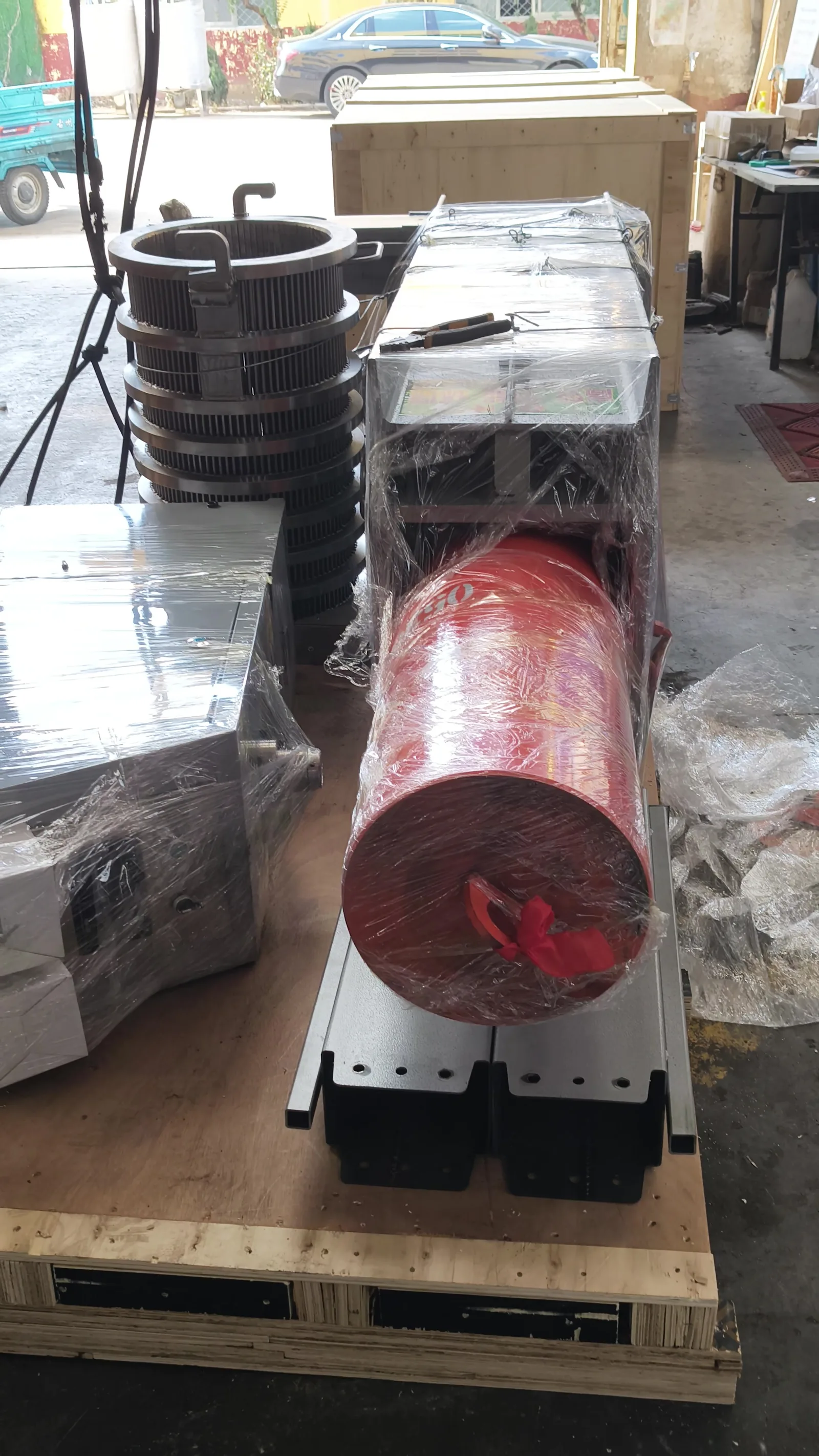
A Malaysian food processing company has put a Haonuo 325 single-barrel hydraulic oil press into service to recover residual oil from deep-fried noodle residue collected from KFC chain outlets across the country. The press was packed in crates at the Haonuo factory in Weifang, China, and shipped to Malaysia in mid-October 2026.
Noodle residue, also called batter crumb, is the solid waste left after deep-frying breaded chicken and other KFC menu items. In many countries it is either hauled away as general waste or sent to landfills — an increasing burden as disposal costs rise and environmental regulations tighten. But pressed at 27 MPa of cake pressure in a hydraulic press, the same residue yields a golden-clear industrial oil and a dry cake that can be sold as animal feed.
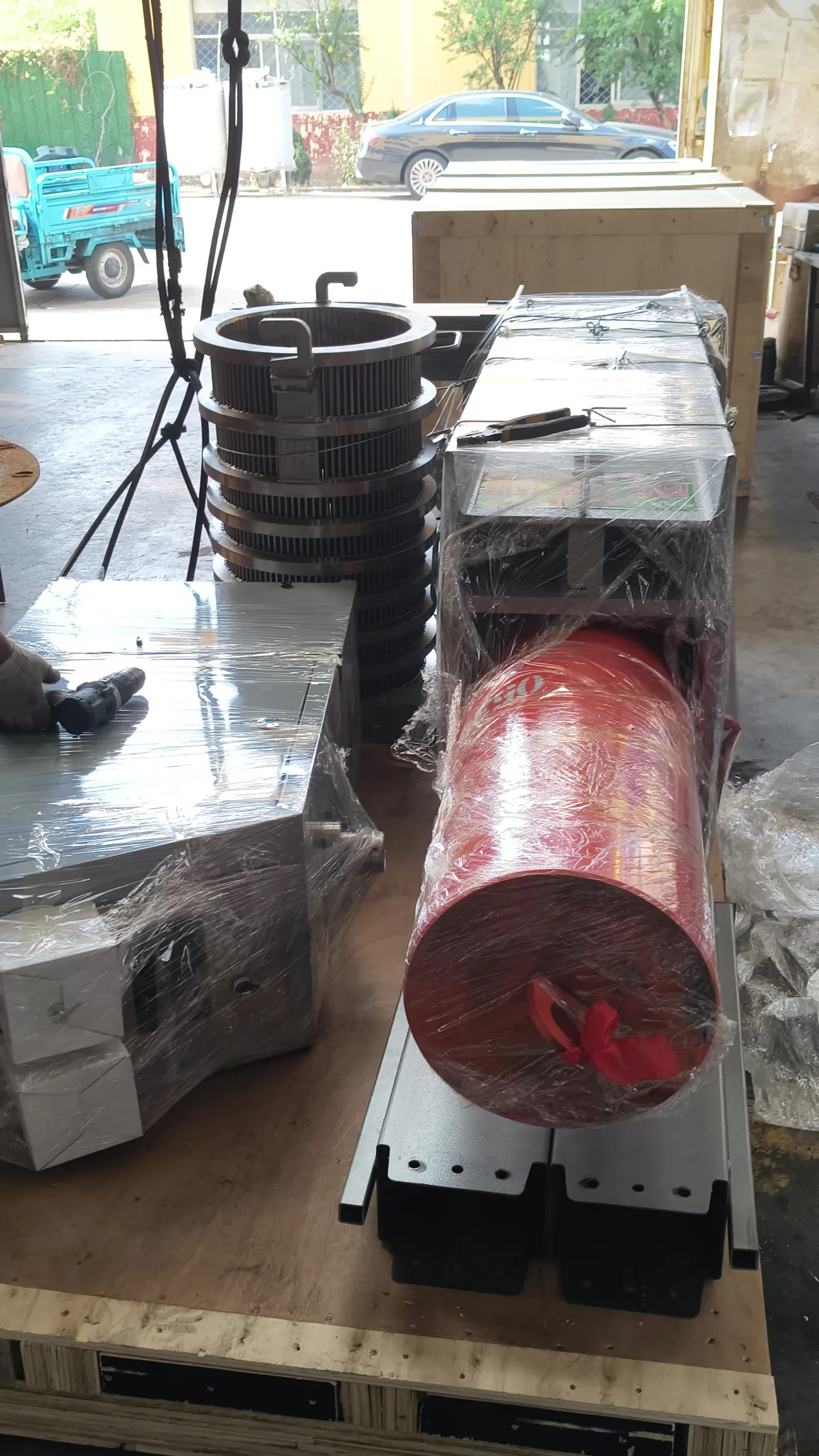
Why the 325 hydraulic press specifically? Food factory oil residue and batter waste are not the same as oil sludge or straight vegetable seeds. They are bulky, low-density and need a press with enough force to squeeze through the breading and dough fibers. The 325 model delivers 325 tons of pressing force on a 300 mm barrel — compact enough for a food factory side room, but strong enough to push the oil out of every layer of batter crumb. After pressing, the cake comes out with low moisture content so it handles and sells easily.
The numbers speak for themselves. A typical KFC outlet generates roughly 15-25 kg of noodle residue per day. A food factory collecting from multiple outlets can accumulate 2-3 tons per month. At roughly 30-40% recoverable oil by weight, that is 600-1200 kg of industrial oil per month from what was previously a disposal cost. When pressed and sold, it becomes a steady revenue stream, and the dry pressed cake adds a small but useful income on top.
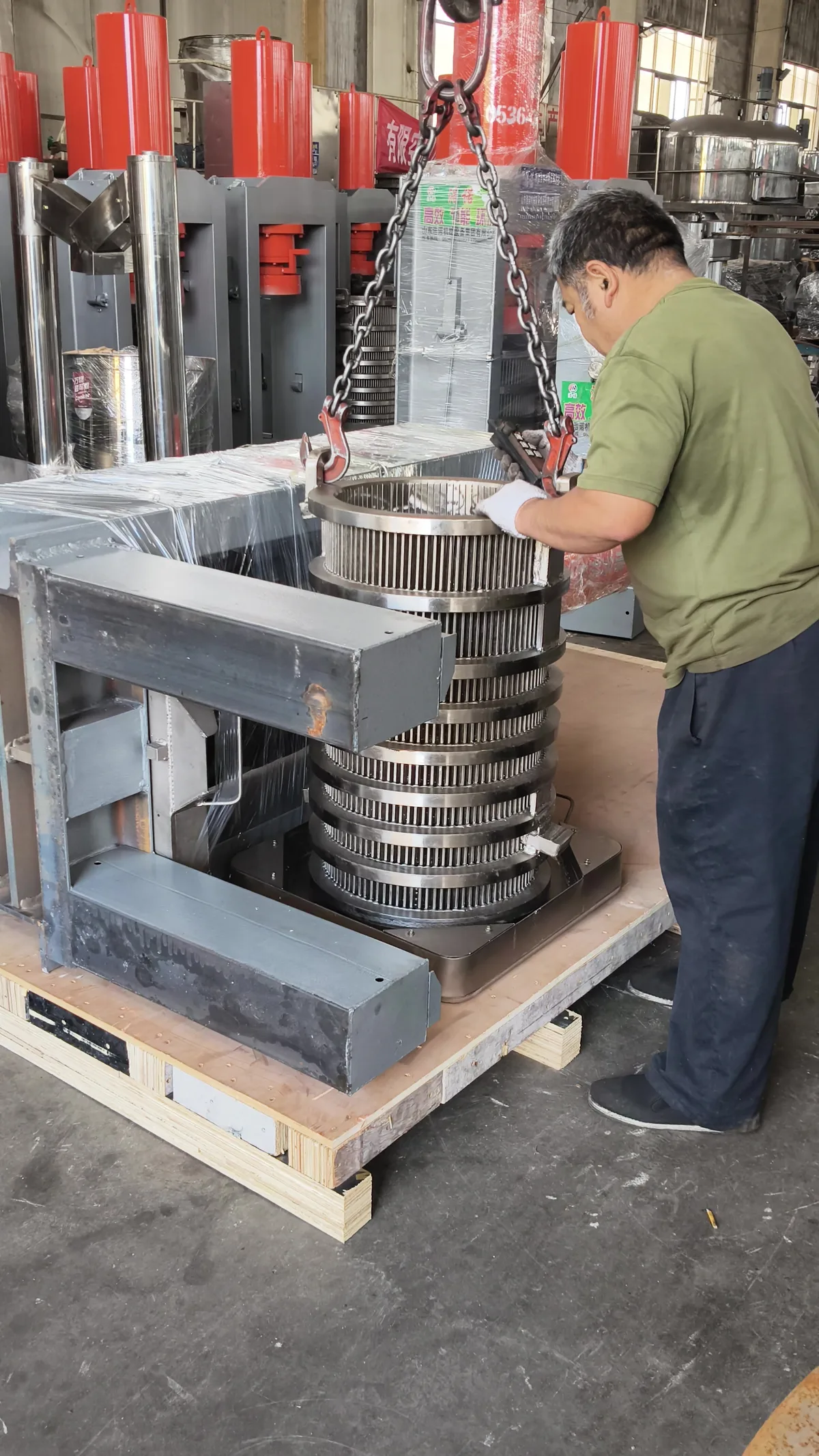
This is not the first time the 325 has been used for food waste oil recovery. The same model runs in food factories across Southeast Asia, Africa and the Middle East pressing oil from fried breading residue, camellia seed, rapeseed and kitchen oil sludge. The difference in the Malaysia project is the single-barrel configuration, which fits the customer's floor plan perfectly and keeps both upfront cost and daily footprint smaller than a dual-barrel alternative. If your business presses fried food residue or KFC-style batter waste, the single-barrel 325 is usually the starting point to compare against.
If your factory or central kitchen generates oil-soaked food waste — batter crumb, fried breading, noodle residue or similar — the question is not whether you can press it, but what pressure and barrel configuration you need. Tell us your material, approximate monthly volume and available floor space, and we will recommend the right machine and send a video of a similar material being pressed.
Ready to press your own material?
Send us a sample or tell us your material and output target. We will recommend the right machine and send a test video if possible.
Contact Us